Unbelievable NASCAR Past: Hornaday, Trickle Caught Smoking Mid-Race
Long before today’s ultra-strict safety standards, NASCAR’s garages were filled with routines that now sound almost unbelievable. In the early 1990s, driver Ron Hornaday Jr. experienced one of those moments firsthand when team owner Wayne Spears wired a cigarette lighter into his race car and encouraged him to smoke during yellow flags. The logic, at the time, was simple: nicotine was believed to help keep a driver alert. Hornaday would take a few quick puffs under caution and toss the cigarette out the window once the race returned to green—occasionally causing confusion for drivers behind him who thought sparks or debris were flying.
Hornaday has since laughed at the memory, admitting it’s something that would never be allowed today. But back then, it fit the gritty, seat-of-the-pants culture that surrounded NASCAR and its feeder series, including ARCA. Teams often relied on personal habits and superstition as much as science, and driver comfort frequently outweighed long-term safety concerns.
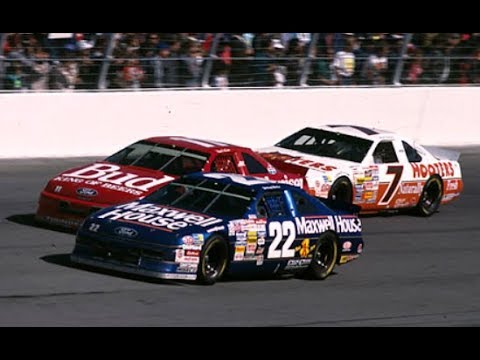
His story mirrors another famous example from NASCAR lore. Short-track icon Dick Trickle was known for smoking in the car and even modifying his helmet with a small ventilation hole. During the 1990 Winston 500 at Talladega, TV cameras caught Trickle calmly lighting up under caution, a moment that stunned viewers and amused broadcasters at the time. For drivers who ran long, demanding races, these rituals were seen as part of staying locked in for hours.
Looking back, these anecdotes highlight just how different the sport once was. Over the decades, NASCAR has transformed its approach to safety—introducing fire-resistant suits, HANS devices, tighter cockpit rules, and zero tolerance for risky behavior. What once passed as normal is now unthinkable.
Today, stories of drivers smoking under caution feel less like legends to celebrate and more like reminders of how far the sport has evolved. They capture a raw, improvisational era—one that shaped NASCAR’s identity, but ultimately gave way to a safer, more professional standard.
Latest News